
Energy prices are rising again. In September, electricity and gas prices on the spot market increased by more than 20%. Contracts for 2027 have become more expensive, and grid operators are planning to increase transport fees by an average of 20% next year.
At Fakuma (two weeks ago), we spoke with temperature control specialists, a plastics institute, mold makers, press manufacturers, and users. They all arrived at the same conclusion: most heat is lost not through the clamping plate, but through the exterior.
Calculation example from our partner Brandenburger Group, for one mold at 110 °C in 2 shifts:
▪ insulation plate only: approximately 16% less heat loss
▪ plate plus exterior insulation: approximately 71% less
▪ ±9,650 kWh, ±€ 1,350, and ±3.5 tons of CO₂ saved per year
▪ payback period of ±4 months
The hotter the process, the faster the payback. At 180 °C (rubber, elastomers, composites, thermosets), it takes 1.5 to 5 months. And what isn't in that table:
▪ faster heat-up times and a more stable process
▪ less regulation required for the temperature control unit
▪ a cooler surface for the operator
For users, this means lower costs per product. For manufacturers, it results in a mold or press with higher added value.
How many molds or presses are running above 100 °C at your facility? Do the math.
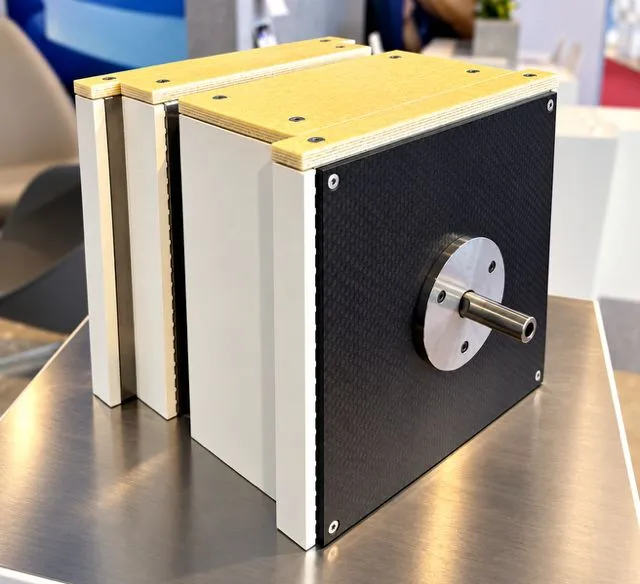
Photo: “Demo mold: insulation plate underneath, insulation all around – various materials and fasteners.”
Auteur:
Gerard Worm


